
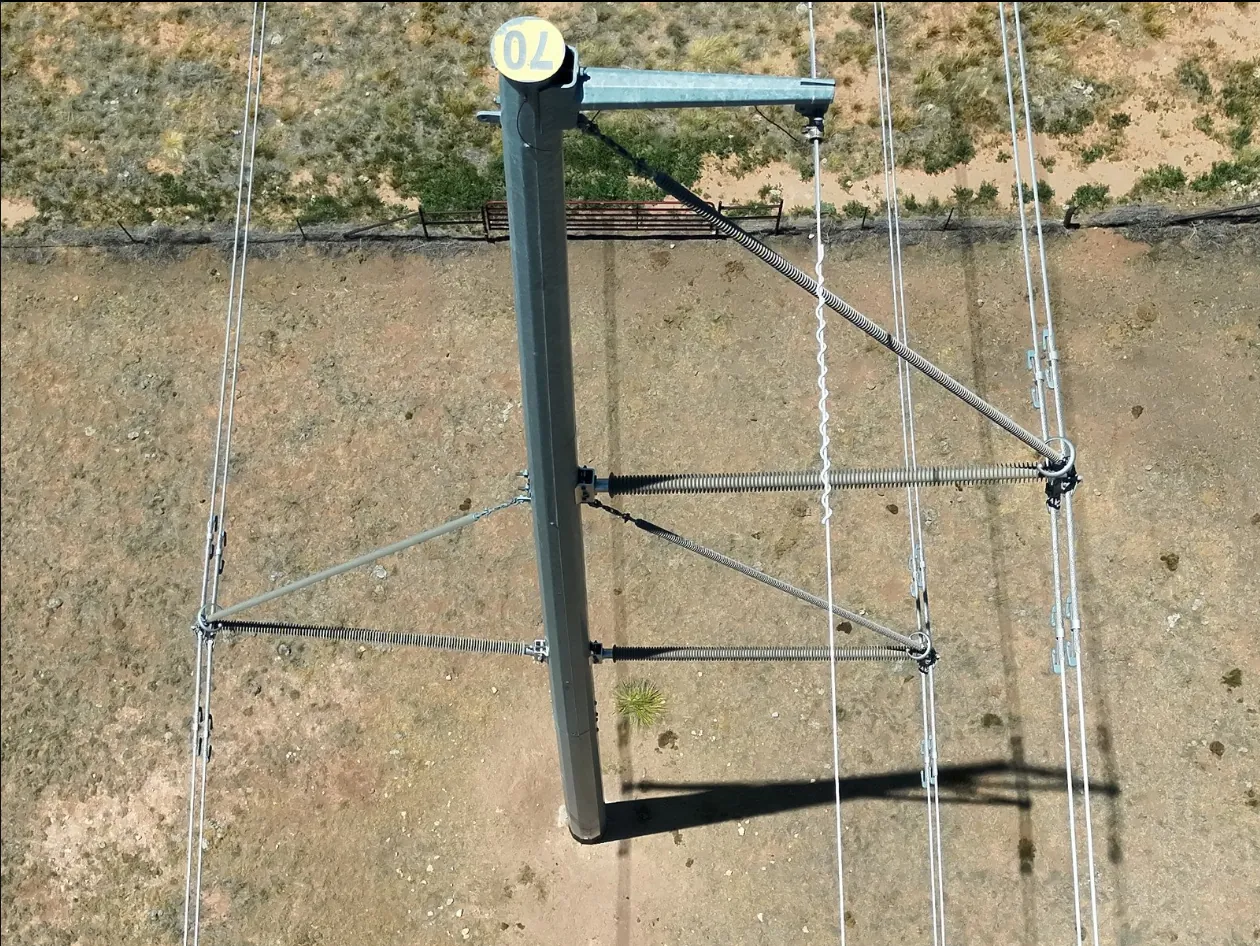
Drone transmission & distribution line inspections
Structure-by-structure, high-resolution visual and radiometric thermal inspection of transmission and distribution lines, typically 15–20 line miles per day, with every finding tied to a structure and GPS coordinate.
- FAA Part 107Certified remote pilot
- Level I ThermographyCertified thermographer
- ISNetworldContractor member
- $2M InsuredLiability coverage, COI on request
Findings that map to your maintenance plan.
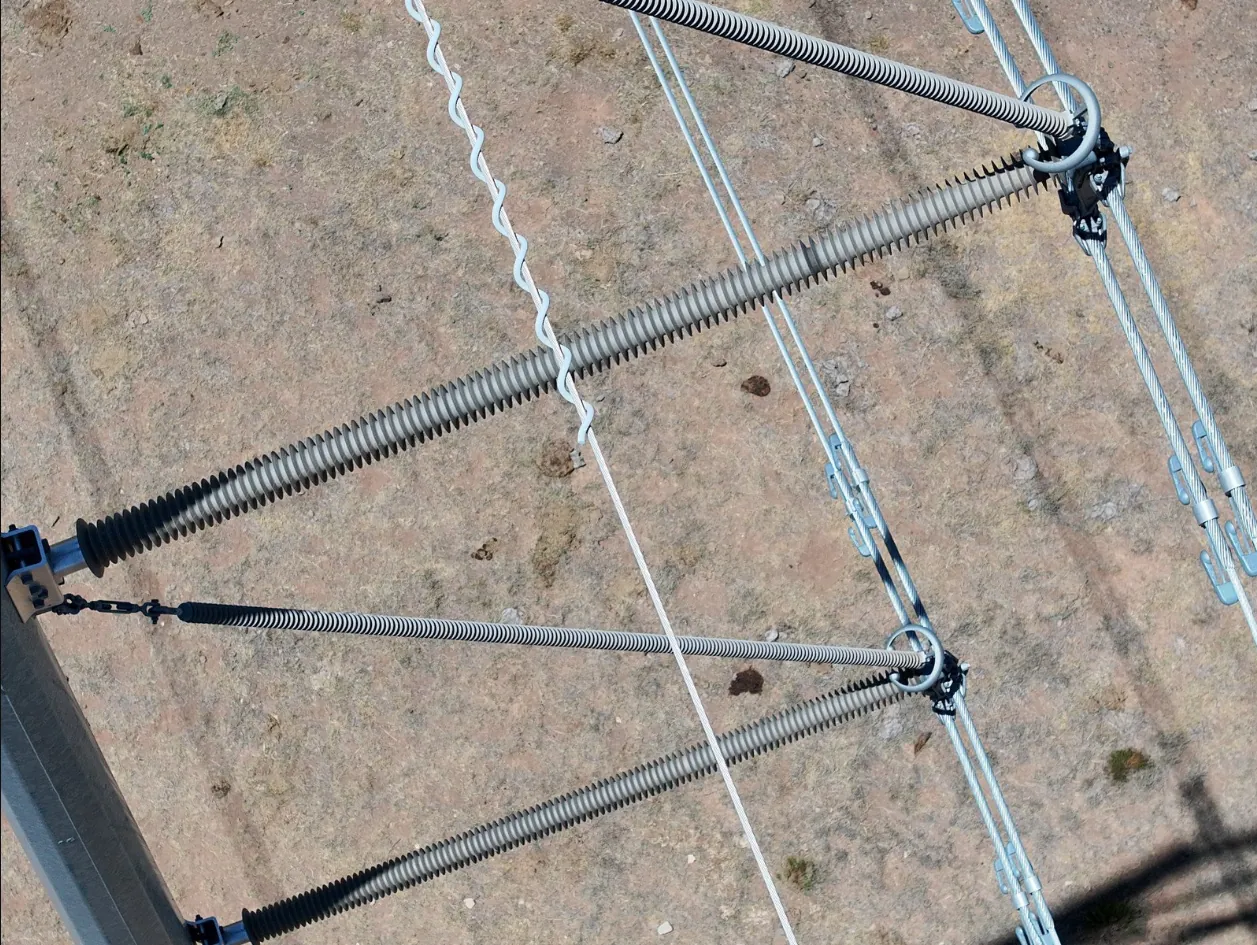
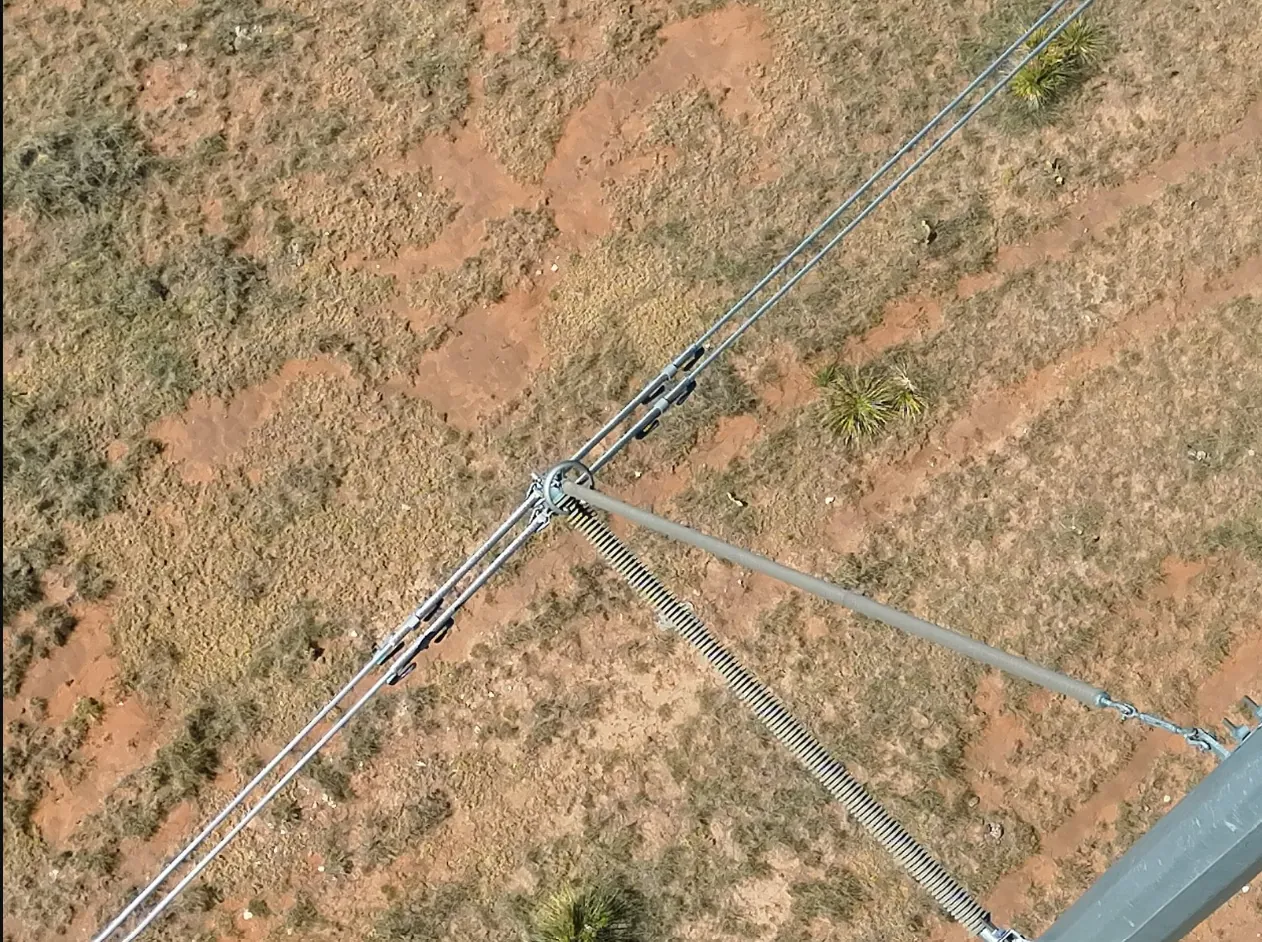
- Insulators: cracking, flashover, contamination
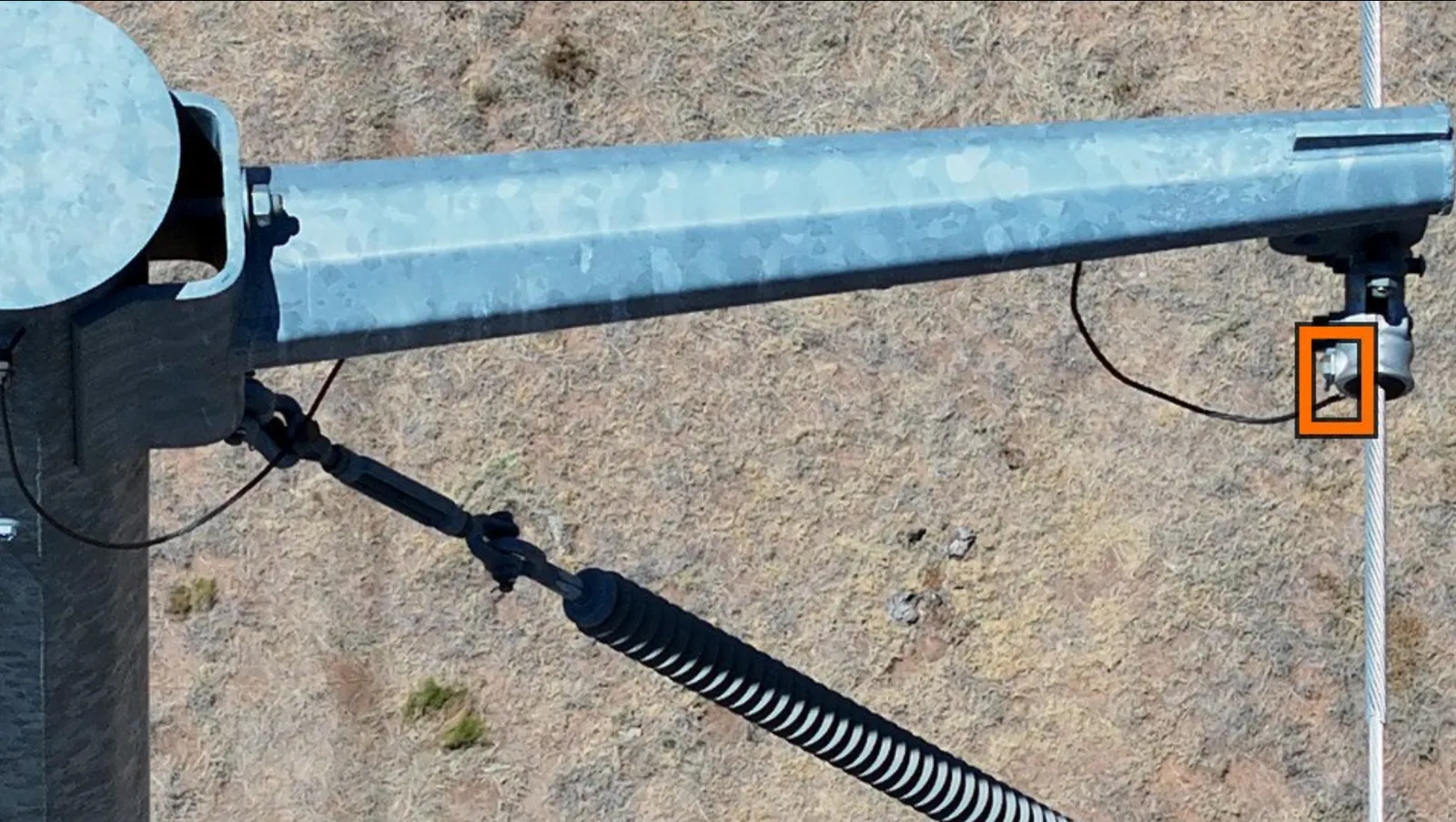
- Hardware: shackles, clevises, dampers, cotter keys
- Conductor, splices and connections (thermal)
- Crossarms, braces and pole-top condition
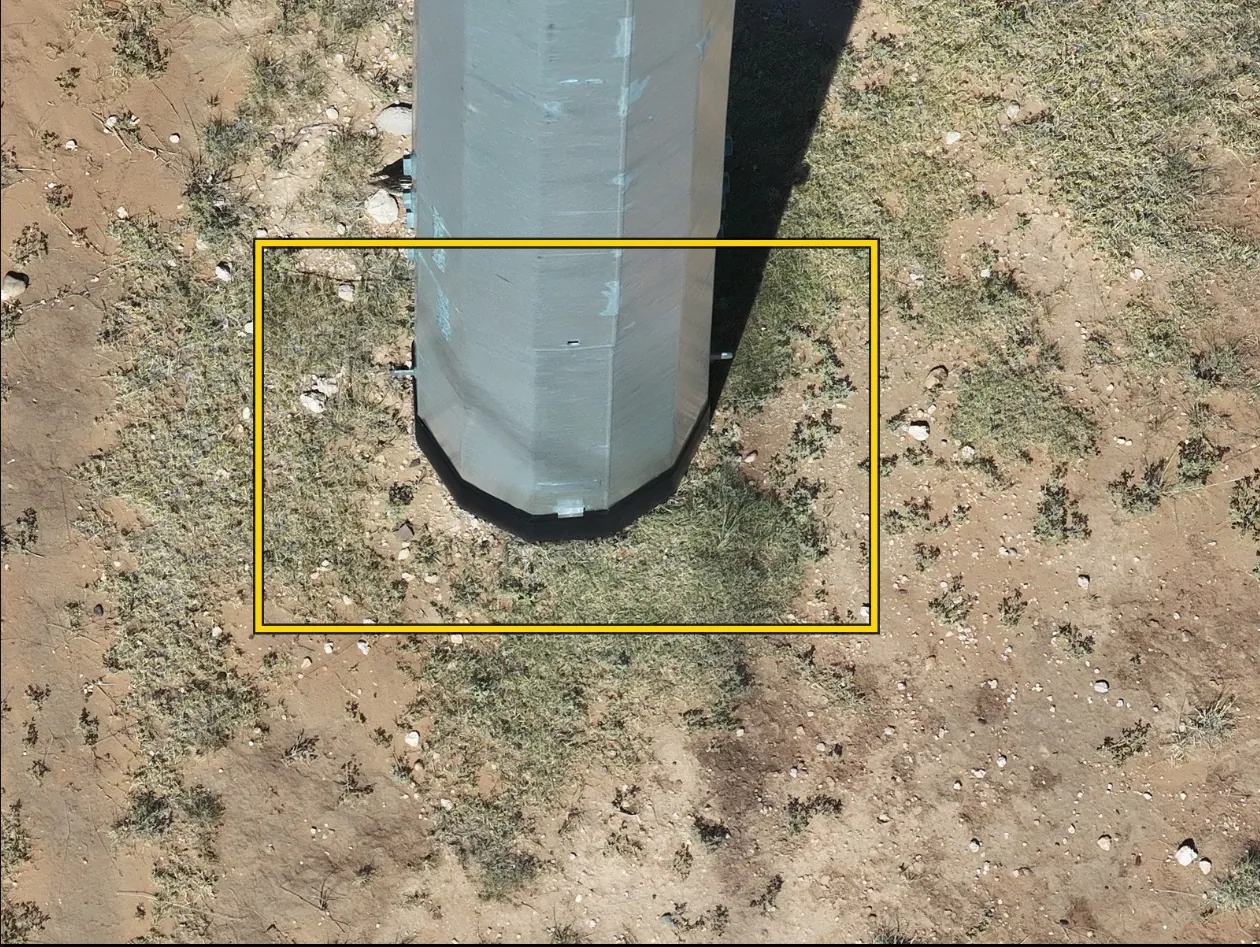
- Ground-line and foundation condition
- Right-of-way encroachment and vegetation
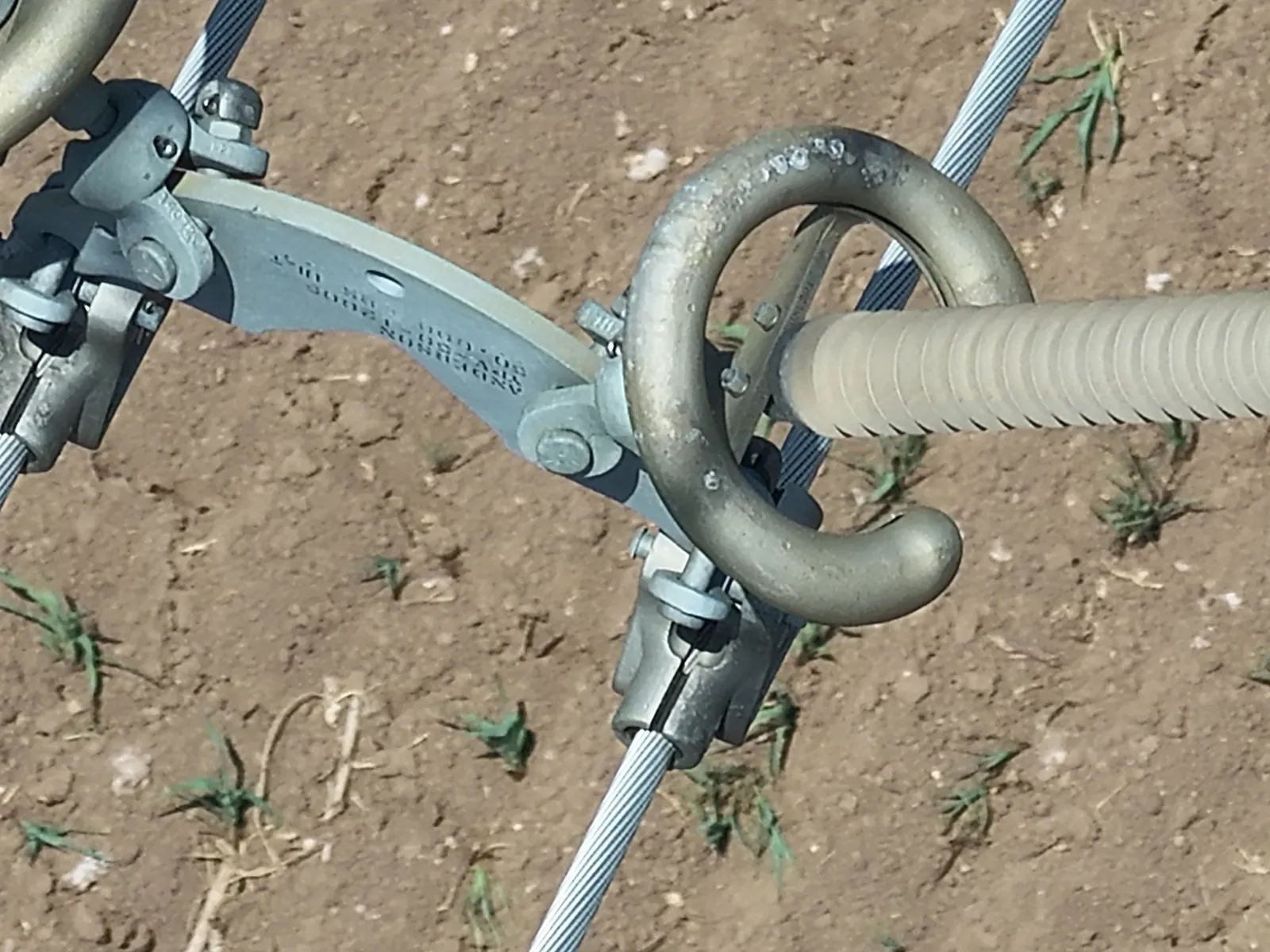
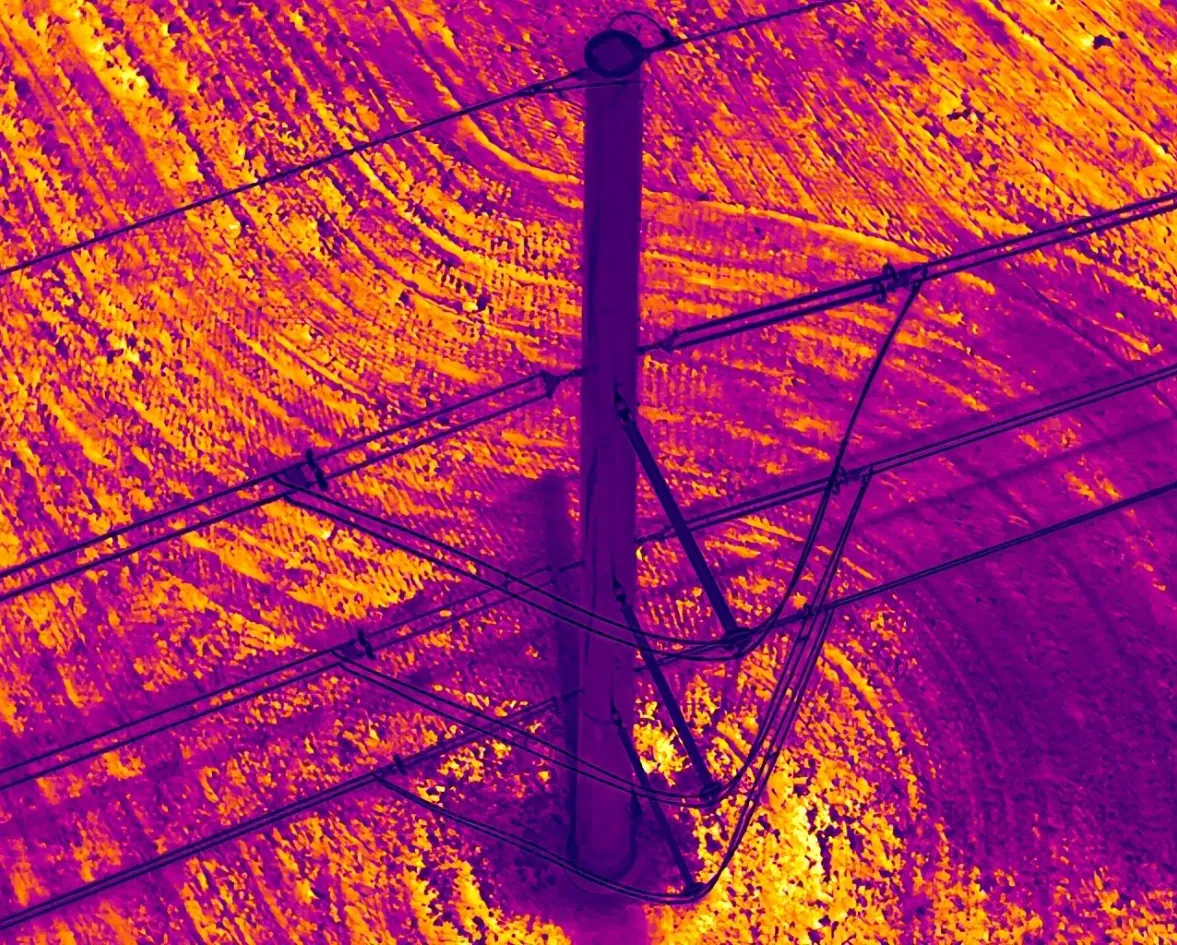
Thermal findings you can verify.
Spot temperatures, paired visual imagery and a written recommendation for every flagged component.
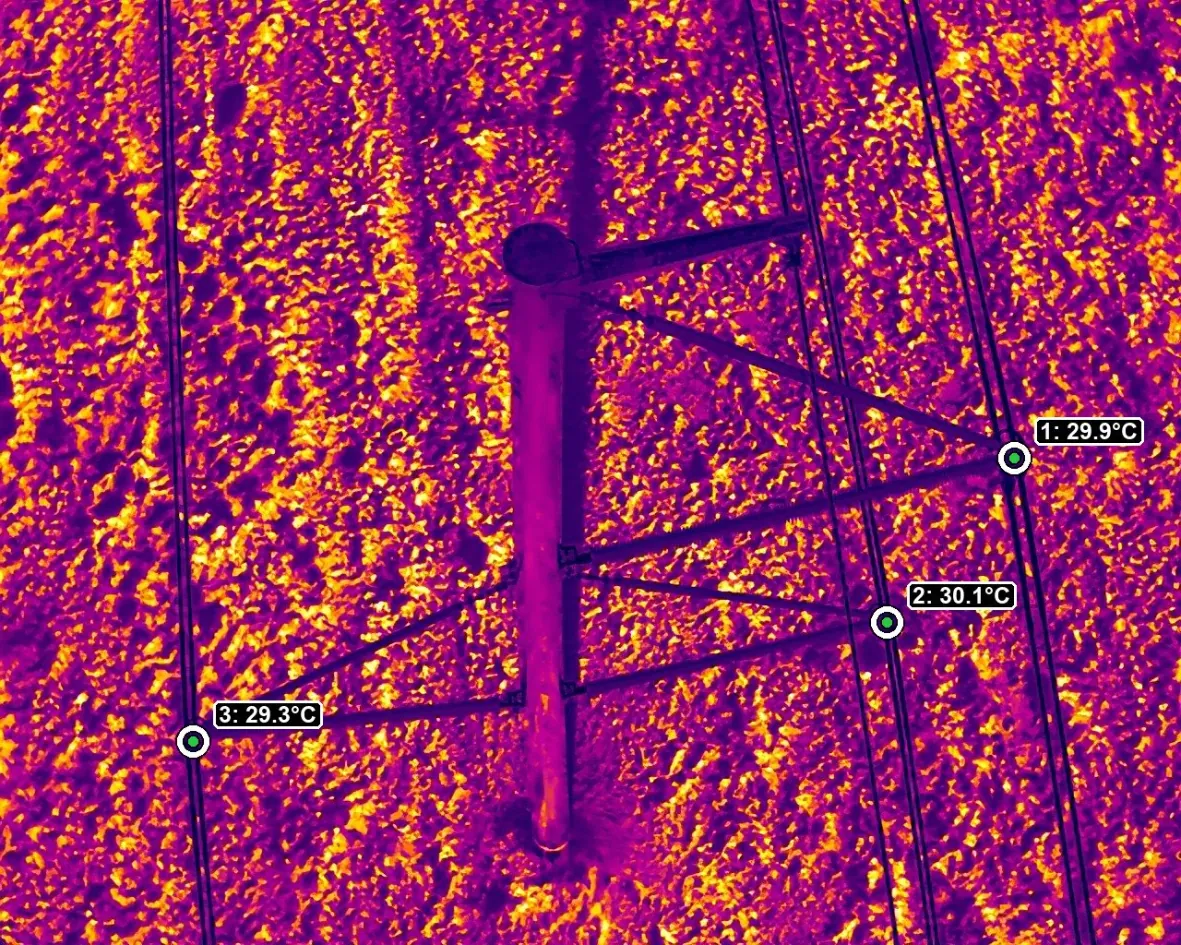
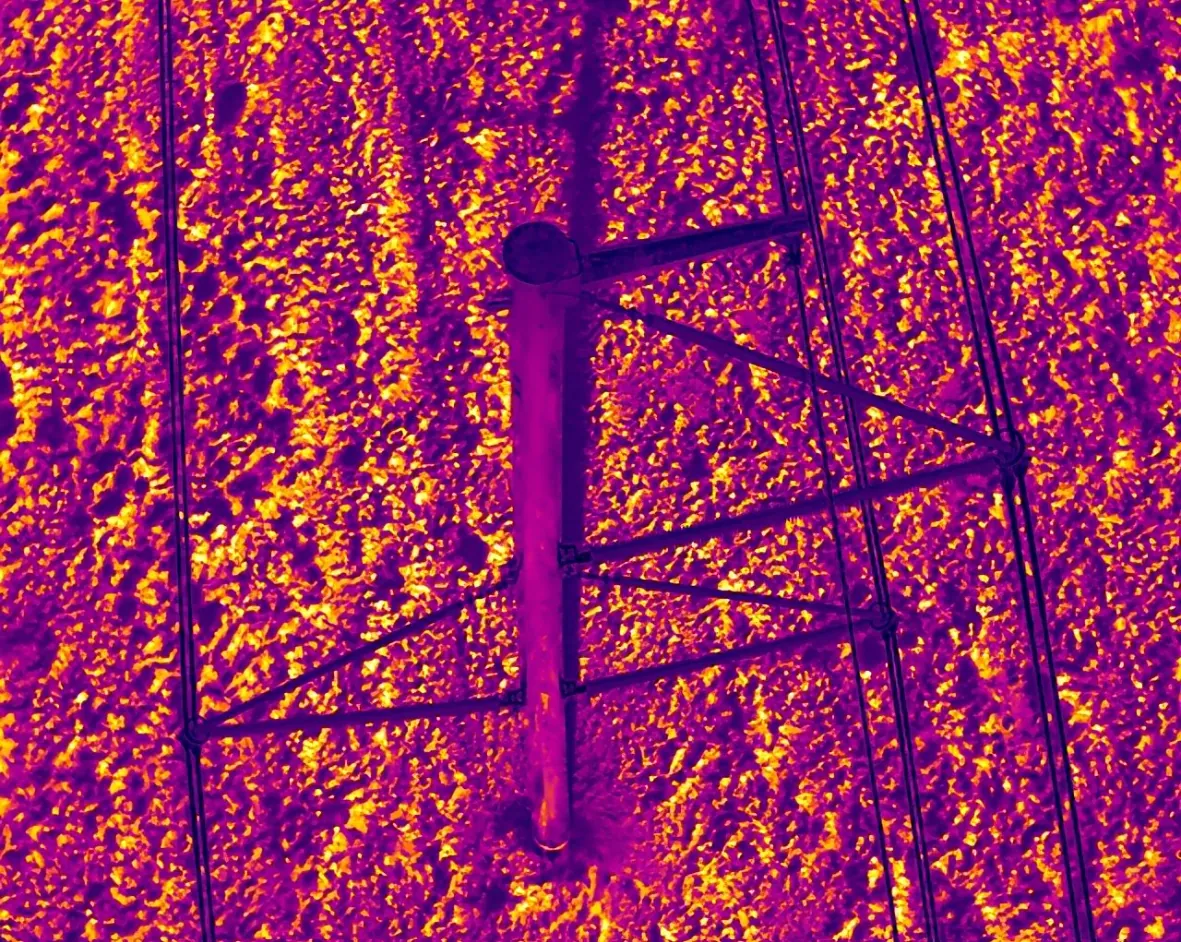 AnalyzedRaw thermal
Examples from Drone Force inspections.
What you receive.
Executive summary
Scope, asset counts and findings by severity at a glance.
Annotated imagery
Visual and thermal images with every defect marked.
GPS & KMZ
Asset-level coordinates and field-ready map files.
Recommended actions
Observation, potential impact and next step per finding.
Transmission Line Inspections: common questions
How many line miles can you inspect per day?
Typically 15–20 miles per day, depending on structure density, terrain, access and the level of detail required per structure.
Do you inspect energized lines?
Yes. Drone inspections are performed from a safe stand-off distance while lines remain in service, and thermal inspection depends on lines being loaded.
What format are findings delivered in?
Findings are organized by structure in our customer portal and report, with GPS, structure measurements, severity, observation, potential impact and recommended action, plus KMZ files.
Planning an inspection campaign?
Tell us the asset type, count and location. We will come back with a scope, schedule and deliverable package.